
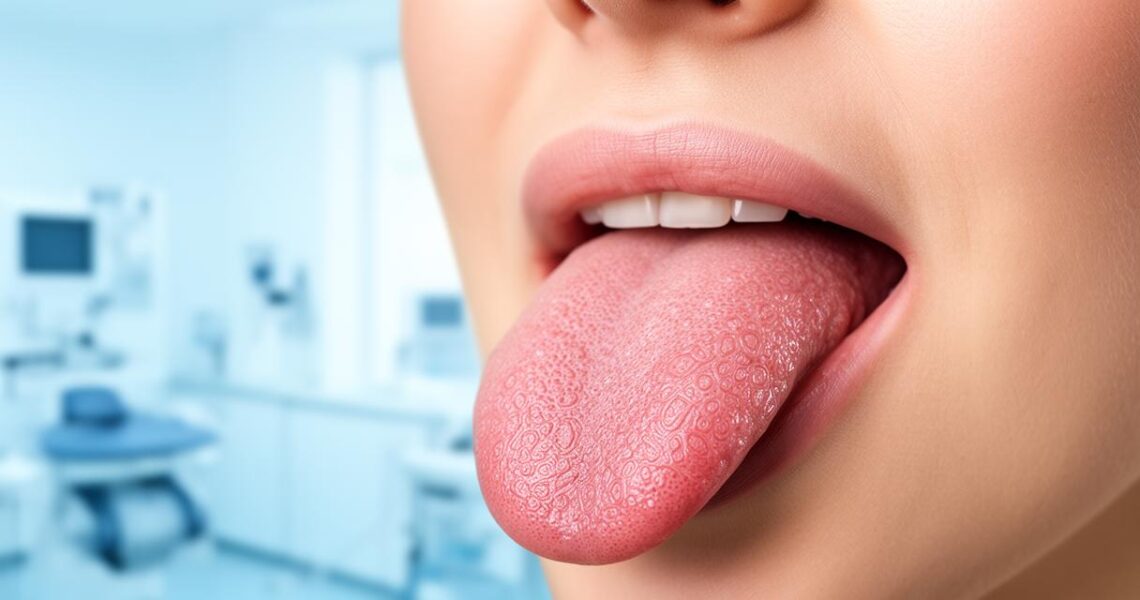
Understanding Fissured Tongue (Geographic Tongue) – Symptoms, Causes, Diagnosis and Treatment: What You Need to Know About the Difference Between These Conditions
Our tongues can reveal a surprising amount about our overall wellbeing, yet many people rarely give this muscular organ a second glance until something looks slightly out of the ordinary. Two conditions that often cause confusion and a fair bit of worry are fissured tongue and geographic tongue. Whilst they can occur together and share some overlapping features, they are distinct conditions with their own causes, appearances and implications for dental health. This article aims to clear up the confusion and give you a proper understanding of what's actually going on when you notice changes to your tongue's surface.
At a glance
- Fissured tongue is characterized by deep grooves on the tongue's surface, while geographic tongue appears as migrating red patches that resemble a map.
- Both conditions are considered benign and are not linked to an increased risk of developing oral cancer.
- Genetics, vitamin deficiencies, and underlying health conditions like psoriasis are believed to contribute to the development of these tongue patterns.
- Geographic tongue can cause sensitivity to spicy or acidic foods, whereas fissured tongue may cause irritation if food debris becomes trapped in the grooves.
- Diagnosis is typically performed through a visual examination by a healthcare professional, with biopsies only required if lesions appear unusual or persistent.
- Management focuses on symptom relief through oral hygiene, potential use of topical treatments, and avoiding known dietary triggers.
- It is common for individuals to experience both fissured and geographic tongue conditions simultaneously.
Recognising the Symptoms and Key Differences Between Fissured Tongue and Geographic Tongue
Visual Characteristics and Physical Signs of Fissured Tongue
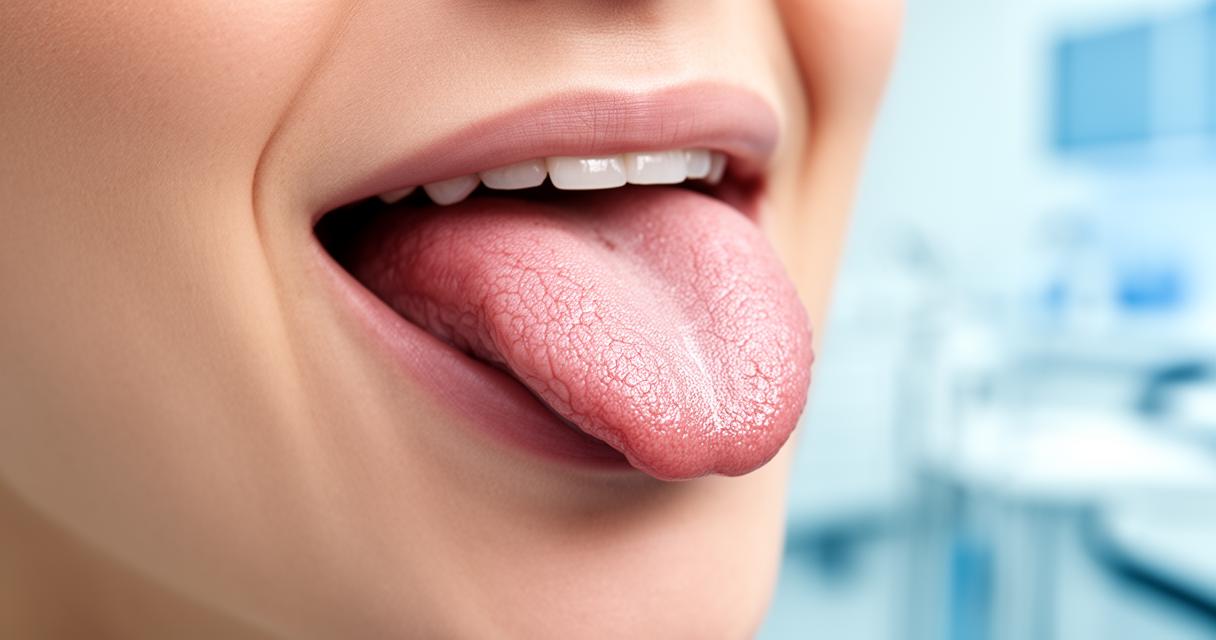
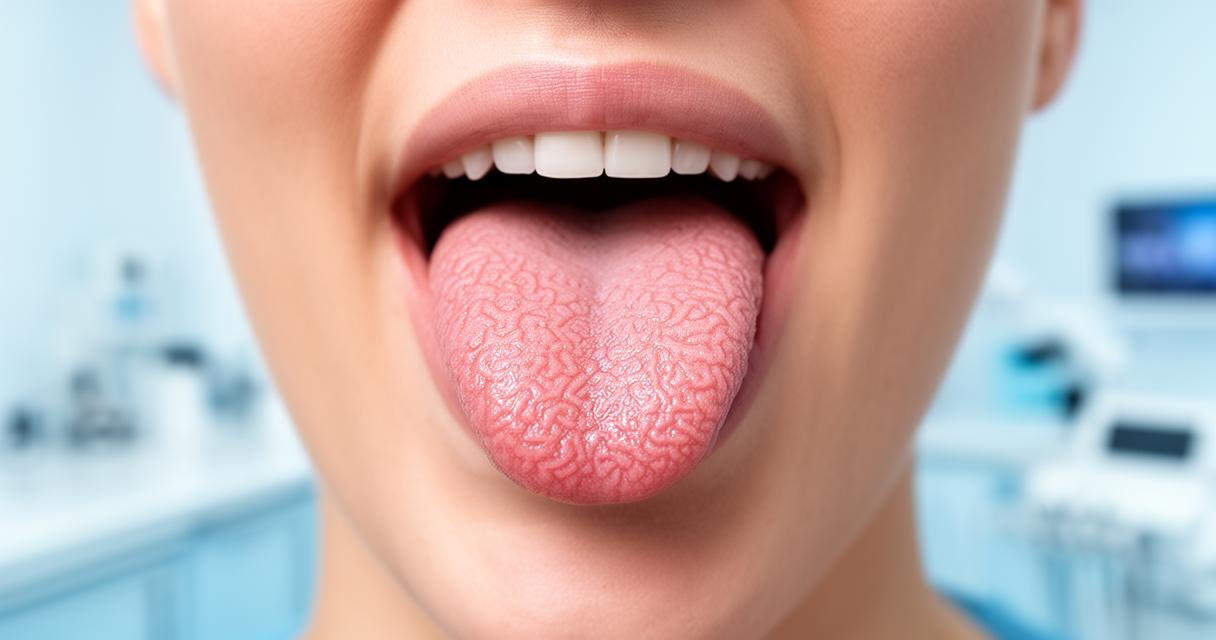
A fissured tongue, sometimes referred to as scrotal tongue due to its wrinkled appearance, is characterised by deep grooves or furrows running across the surface. These fissures can vary considerably in depth and pattern, with some people having a single central groove whilst others develop a more intricate network of cracks branching outwards. The condition is generally painless, though food particles and debris can occasionally become trapped within the deeper grooves, leading to mild irritation or a burning sensation if oral hygiene isn't kept up properly. Most individuals with this condition have had it since childhood or adolescence, and it tends to become more pronounced with age.
Identifying geographic tongue patterns and distinguishing features
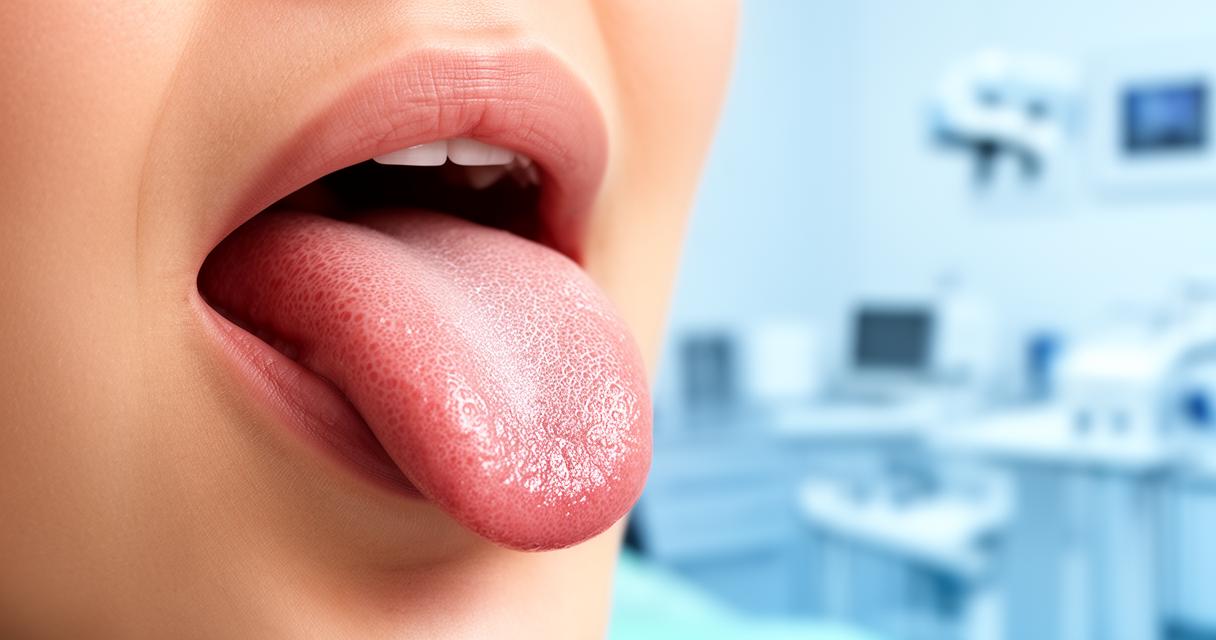
Geographic tongue, known clinically as benign migratory glossitis, presents quite differently. Instead of grooves, you'll notice smooth, red patches on the tongue's surface that are missing the tiny bumps called papillae. These patches are often bordered by a slightly raised white or yellowish outline, giving the tongue a map-like appearance that inspired its common name. What makes geographic tongue particularly distinctive is its tendency to change shape, size and location over hours or days, almost as though the patches are migrating across the tongue. Some people experience heightened sensitivity to spicy or acidic foods during flare-ups, whilst others notice no discomfort whatsoever. It's entirely possible to have both fissured tongue and geographic tongue simultaneously, as the two conditions frequently coexist.
Root causes and contributing factors behind tongue conditions
Genetic predisposition and vitamin deficiencies affecting tongue health
The exact cause of both conditions remains somewhat unclear, but researchers have identified several contributing factors. Genetics appear to play a significant role, with both conditions showing a tendency to run in families. If a parent has a fissured or geographic tongue, their children are more likely to develop similar patterns. There's also a recognised link to certain vitamin deficiencies, particularly a lack of B vitamins, iron and zinc, which can exacerbate symptoms or trigger flare-ups in susceptible individuals. Conditions such as psoriasis and Down's syndrome have also been associated with a higher likelihood of developing fissured tongue, suggesting a broader connection to underlying health conditions rather than isolated oral issues.
The Role of Hygiene Practices and Common Food Triggers
Poor oral hygiene doesn't cause these conditions outright, but it can certainly worsen symptoms and increase discomfort, especially with fissured tongue where debris collects in the grooves. Regular brushing of the tongue itself, not just the teeth, helps to minimise irritation and reduce the risk of bad breath associated with trapped bacteria. As for dietary influences, many people report that certain food triggers including spicy dishes, citrus fruits, tomatoes and even certain alcoholic beverages can provoke flare-ups of geographic tongue specifically. Stress and hormonal fluctuations have also been cited by sufferers as factors that seem to coincide with worsening symptoms, though scientific evidence for this connection remains limited.
Proper diagnosis, treatment options and dental health considerations
Clinical Assessment Methods and Identification of Lesions
Diagnosing either condition typically involves a straightforward visual examination by a dentist or GP. There's usually no need for invasive testing, as the appearance of the tongue is often distinctive enough for a confident diagnosis. However, if there's any uncertainty or if the lesions look unusual, a biopsy might be recommended to rule out other conditions. It's worth noting that whilst these conditions are generally harmless, any persistent white patches, lumps or sores that don't heal within a couple of weeks should be checked promptly, as these could indicate something more serious requiring further investigation.
Treatment Approaches and Connection to Oral Cancer Awareness
The reassuring news is that neither fissured tongue nor geographic tongue typically requires medical treatment, as both are considered benign and rarely cause lasting harm. Management usually focuses on symptom relief rather than a cure, with options including topical corticosteroids for inflammation, antihistamine mouth rinses, and simply avoiding known food triggers where geographic tongue is concerned. Maintaining excellent oral hygiene, including gentle tongue brushing, remains one of the most effective ways to keep symptoms manageable. Importantly, there is no established link between these conditions and oral cancer, though it's always sensible to remain vigilant about any changes to the mouth and to attend regular dental check-ups. Dentists are well-placed to monitor these conditions over time and to provide reassurance, whilst also catching any genuinely concerning changes early. Ultimately, understanding the difference between fissured tongue and geographic tongue empowers people to approach these conditions with knowledge rather than anxiety, recognising them as common variations rather than causes for alarm.