
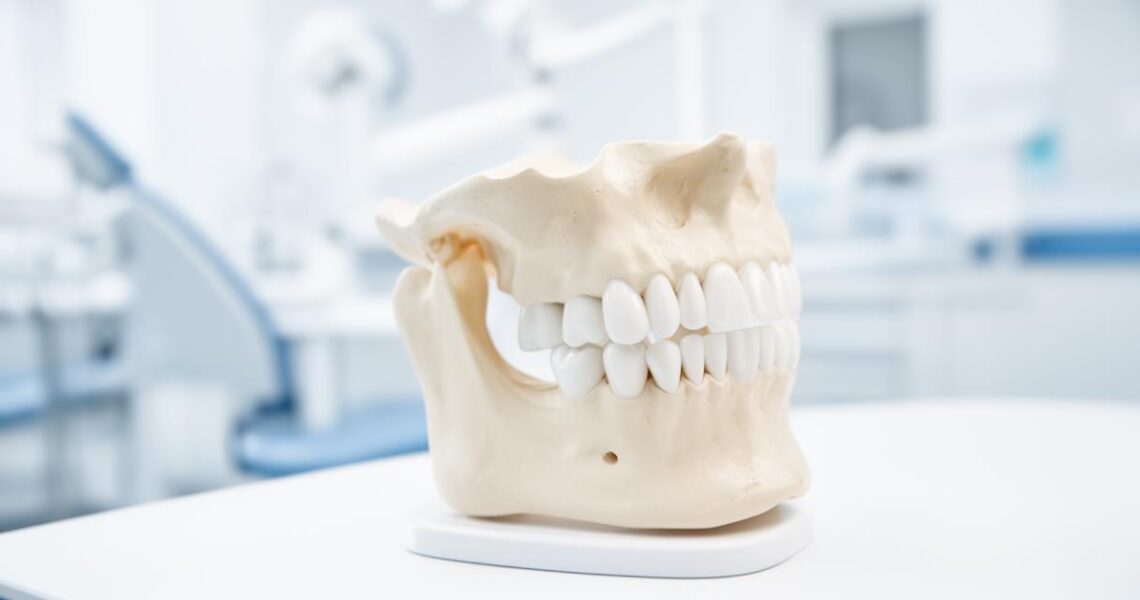
Understanding what does apicoectomy involve: how sedation helps nervous patients through root-end surgery
Few things unsettle a dental patient quite like being told they need surgery, yet an apicoectomy is far less daunting than its name suggests. This procedure has helped countless people keep their natural teeth even after a root canal has failed to clear up an infection. Understanding what the surgery involves, and how sedation can ease the nerves of anxious patients, makes the whole experience much less intimidating.
Key points
- An apicoectomy is an endodontic surgery performed to save a natural tooth by removing persistent infection at the tip of the root.
- The procedure is typically recommended when a previous root canal has failed to resolve inflammation or infection.
- During the surgery, a dentist accesses the root tip through the gum, cleans out the diseased tissue, and seals the end of the root to prevent future infections.
- Surgery typically lasts between thirty and ninety minutes and boasts a high success rate of approximately ninety-seven percent after five years.
- To manage patient anxiety, dentists offer various sedation options ranging from mild oral sedatives to intravenous methods, ensuring a calm and comfortable experience.
- Sedation not only reduces fear but also helps patients remain still, allowing the surgeon to perform the procedure with greater precision and efficiency.
What Is an Apicoectomy and When Is It Required?
An apicoectomy is a form of endodontic surgery designed to treat infection or inflammation that lingers at the very tip of a tooth's root, an area known as the apex. Rather than removing the whole tooth, a dentist or oral surgeon accesses this root tip through the gum, removes the diseased tissue, and seals the area to prevent bacteria from causing further trouble. It's typically considered when a standard root canal treatment hasn't fully resolved a tooth infection, offering a genuine chance at tooth preservation rather than extraction.
The Purpose and Procedure of Root-End Surgery
The main aim of this surgery is straightforward: to eliminate infection at the root's tip whilst saving the natural tooth. Root canals sometimes leave behind tiny channels or fractures that harbour bacteria, and these can be tricky to reach from inside the tooth. By approaching the problem from outside, through the gum tissue, a surgeon can directly access and clean the affected area. This dental procedure has become a reliable option precisely because it targets the root cause rather than simply masking symptoms.
Common Symptoms That Indicate the Need for an Apicoectomy
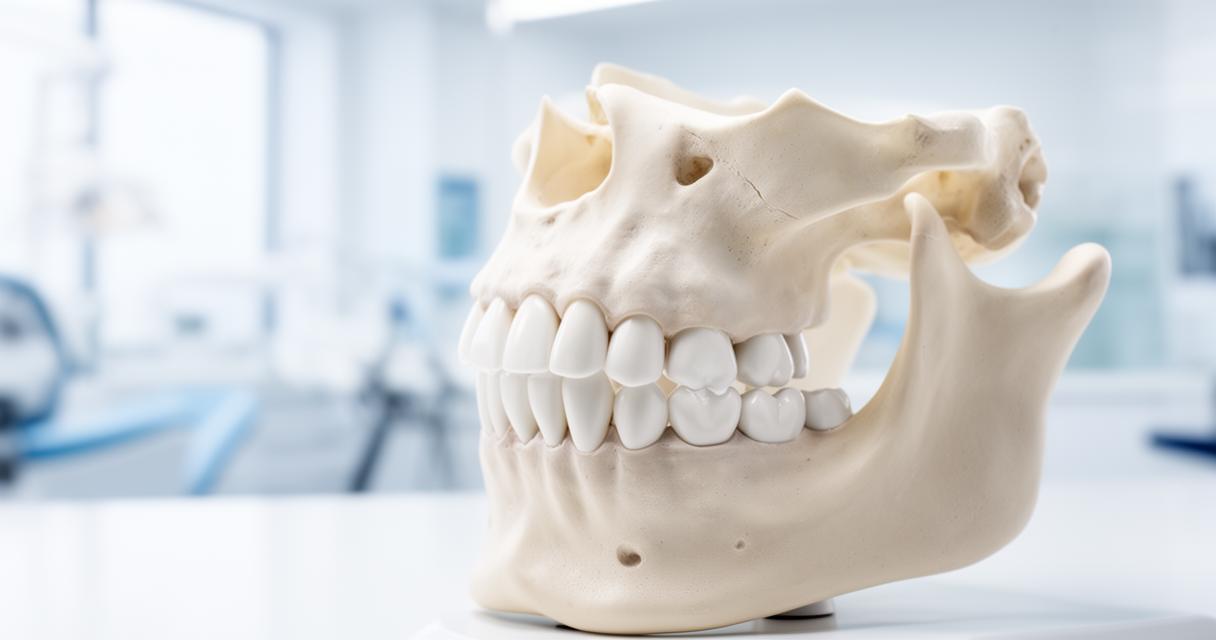
Patients often arrive at this point because persistent pain, tenderness, or swelling around a previously treated tooth simply won't go away. Sometimes a small bump or abscess forms on the gum near the tooth's root, or there's ongoing sensitivity when biting down. These signs usually mean that despite an earlier root canal, infection remains, and further intervention is needed to stop it spreading and to protect the surrounding bone and gum tissue.
The Step-by-Step Process of an Apicoectomy Procedure
The entire treatment generally takes between thirty and ninety minutes, depending on the complexity of the case and the tooth's location. It begins with thorough preparation and anaesthesia to numb the area completely, ensuring the patient feels no pain throughout. Once the site is numb, the dentist creates a small opening in the gum to reach the underlying bone.
Accessing the Root Apex and Removing Infected Tissue
After the incision is made, the surgeon carefully removes a small amount of bone to expose the root tip. From there, any infected or inflamed tissue surrounding the apex is cleaned away meticulously. This step is crucial, as leaving behind even a trace of diseased material can compromise the entire treatment. The root tip itself, along with a few millimetres of the root, is then trimmed to remove any bacteria hiding within microscopic channels.
Sealing the Root Tip and Closing the Incision
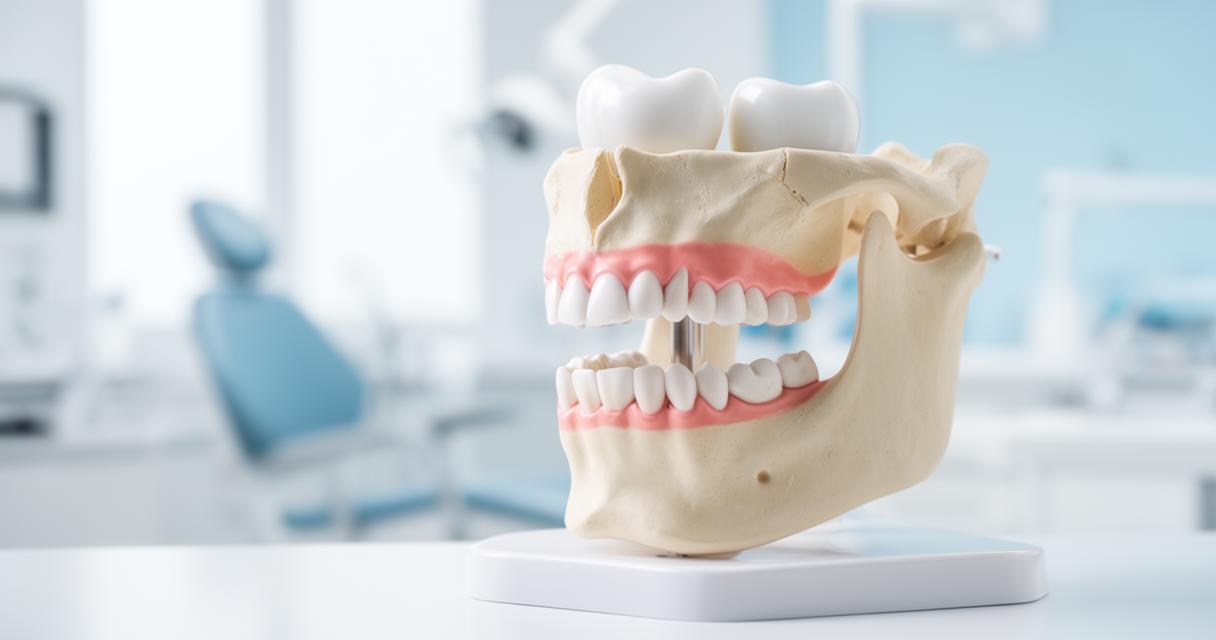
Once the area has been thoroughly cleaned, a special filling material is used to seal the end of the root, blocking any pathway for future infection. The gum tissue is then repositioned and secured with stitches, allowing the site to heal naturally. Most patients find that gum tissue heals within one to two weeks, with follow-up appointments scheduled at one week, three months, and six months to monitor progress. The success rate for this type of oral surgery is genuinely encouraging, sitting at around ninety-seven per cent after five years, though risks such as infection, bleeding, or nerve disturbance do exist, albeit rarely.
How sedation supports anxious patients during root-end surgery
It's entirely normal to feel nervous about any dental treatment involving surgery, and this is where sedation plays such an important role. Modern dentistry offers various sedation options that allow even the most apprehensive patients to get through the procedure calmly and comfortably.
Types of Sedation Available for Nervous Dental Patients
Depending on the patient's level of anxiety and the complexity of the case, dentists may offer options ranging from mild oral sedatives to inhaled sedation or intravenous methods. Local anaesthesia remains standard to numb the immediate area, but additional sedation can help patients feel relaxed, drowsy, or even fall into a light sleep throughout the appointment. This flexibility means treatment can be tailored to individual comfort levels rather than following a one-size-fits-all approach.
Benefits of Sedation in Ensuring Comfort and Reducing Anxiety
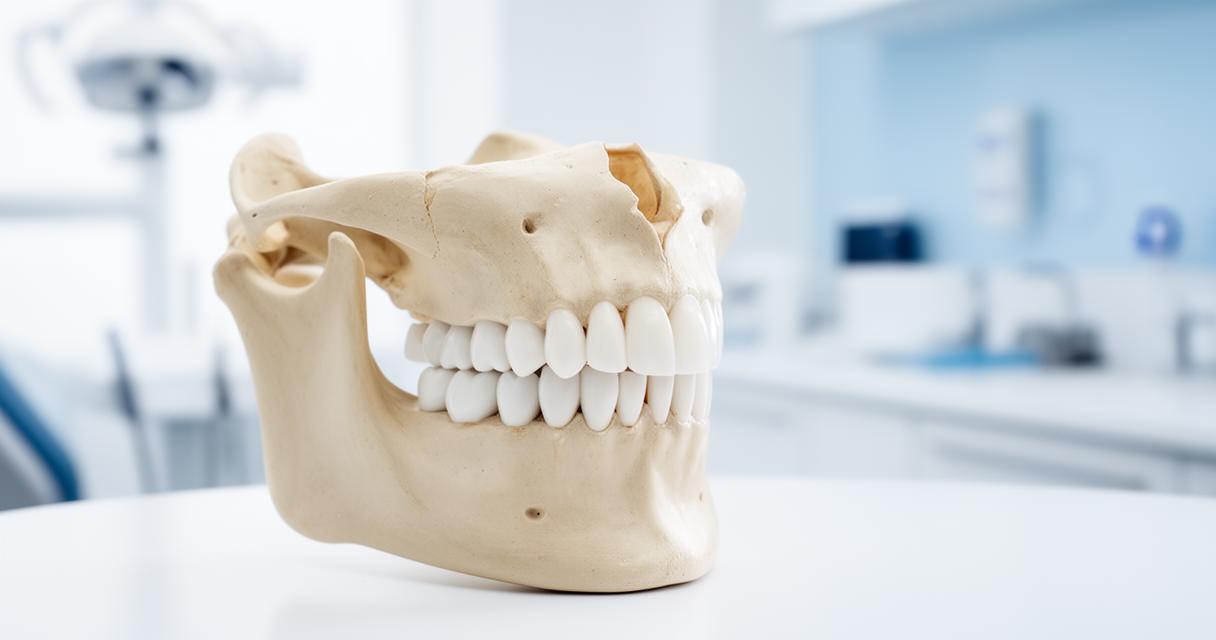
Beyond simply easing fear, sedation helps patients remain still and cooperative, which supports a smoother, more precise procedure. It can also reduce the perception of time passing, meaning a lengthy appointment feels far shorter than it actually is. For those who have avoided dental care due to past negative experiences, sedation options can be the deciding factor that finally gets them into the chair and on the path to recovery.
At Minty Dental Health Centre in London, patients considering an apicoectomy can expect thorough guidance throughout the process, from initial consultation to aftercare. Under the care of Dr Allen Betsis, the practice offers a broad range of services including root canals, periodontal treatments, and restorative dentistry, all designed with patient comfort firmly in mind. Those exploring alternative treatments, such as non-surgical retreatment or extraction, can discuss these options openly before deciding on the best route forward. Ultimately, whether anxiety stems from the thought of surgery itself or simply visiting the dentist, sedation combined with skilled clinical care means an apicoectomy needn't be something to dread, but rather a sensible step toward long-term oral health.
